
Beyond Red and Dark: Unlocking the World of Wine and Chocolate Pairing
The Great Pairing Myth
The "Red Wine and Dark Chocolate" rule is tired. It is heavy. It is often bitter. High tannins in Cabernet meet high tannins in cacao. The result? A dry, chalky palate. We are moving past the clichés.
At the Midwest Craft Chocolate Festival, we celebrate nuance. Pairing is about balance. It is about contrast. It is about elevating the experience.
True bean to bar chocolate deserves better. It deserves variety. We are unlocking the cellar. We are raiding the pantry. Welcome to the new world of the wine and chocolate pairing event.
The Quality Factor:
Why Bean To Bar Matters
Crafting Excellence
Not all chocolate is created equal.
Bean to bar chocolate focuses on origin. Madagascar beans offer citrus notes. Ecuadorian beans provide floral undertones. Understanding the profile is the first step in a successful chocolate tasting.
Purity In Ingredients
Ethically sourced cacao.
Minimal processing.
Nuanced acidity.
Silky textures.
White Chocolate:
The Creamy Canvas
Rethinking The Category
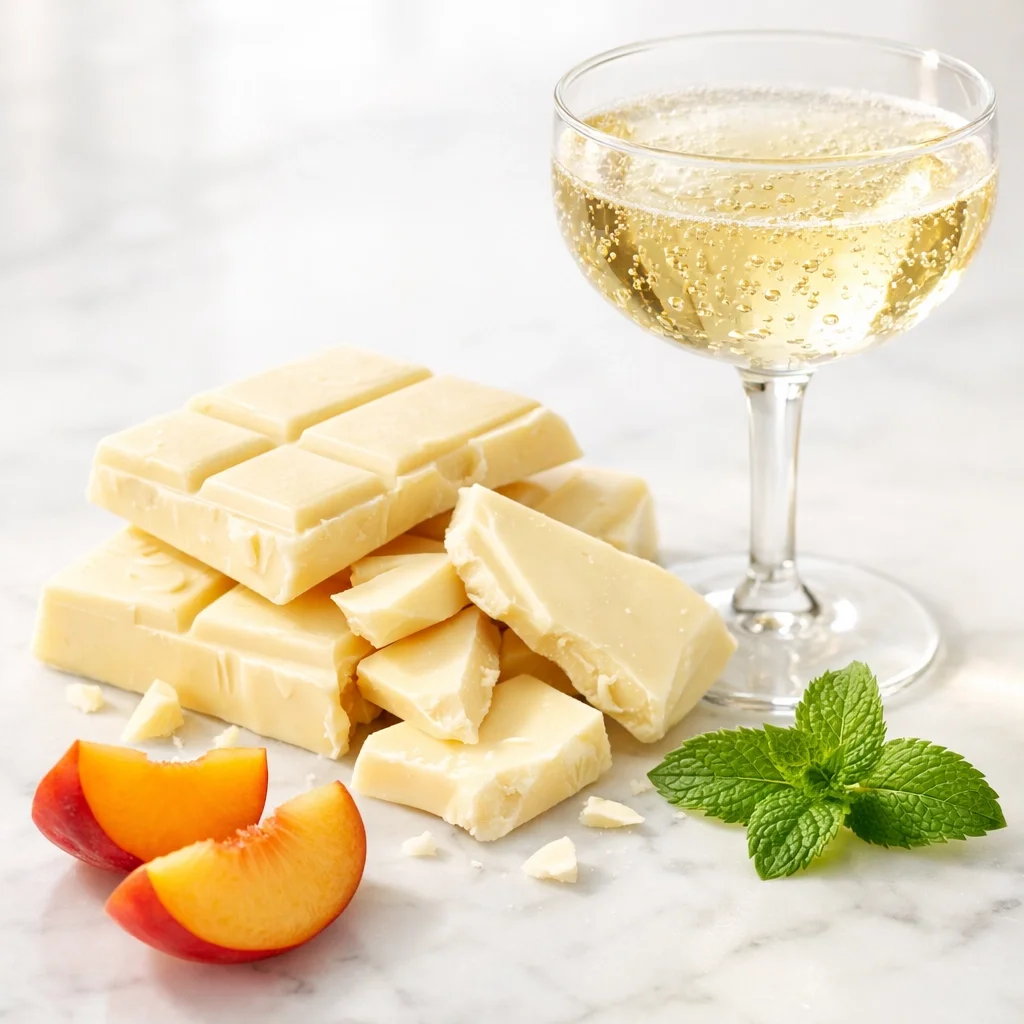
White chocolate often gets a bad reputation. In the craft world, it is a luxury. It is composed of high-quality cocoa butter, milk, and sugar. It is buttery. It is mellow. It is the perfect partner for lighter wines.
The Sweetest Matches
Moscato d'Asti: Peaches and cream. The fizz cuts the fat.
Ice Wine: Intense sweetness. Pairs with lemon-infused white chocolate.
Late-Harvest Riesling: High acidity. Honeyed notes.
The Surprise Entry: Pinot Noir
The fat base of white chocolate carries the red fruit notes of the wine. Think strawberries and cream. It is unexpected. It is sophisticated.
Effervescence And Elegance:
The Sparkling Shift
Bubbles And Bites
Sparkling wines are the secret weapon of any wine and chocolate pairing event. Carbonation cleanses the palate. It lifts the weight of the cocoa butter.
Prosecco And Champagne
Extra Dry Prosecco: Pair with milk chocolate. The fruitiness shines.
Brut Champagne: Pair with white chocolate featuring sea salt. The salt enhances the brioche notes of the wine.
Sparkling Rosé: Pair with fruit-forward dark chocolate. Think 60-70% cacao from Vietnam or Madagascar.
The Sensory Experience
The snap of the chocolate. The pop of the cork. A textural masterpiece.
Milk Chocolate:
The Middle Ground
Refined Creaminess
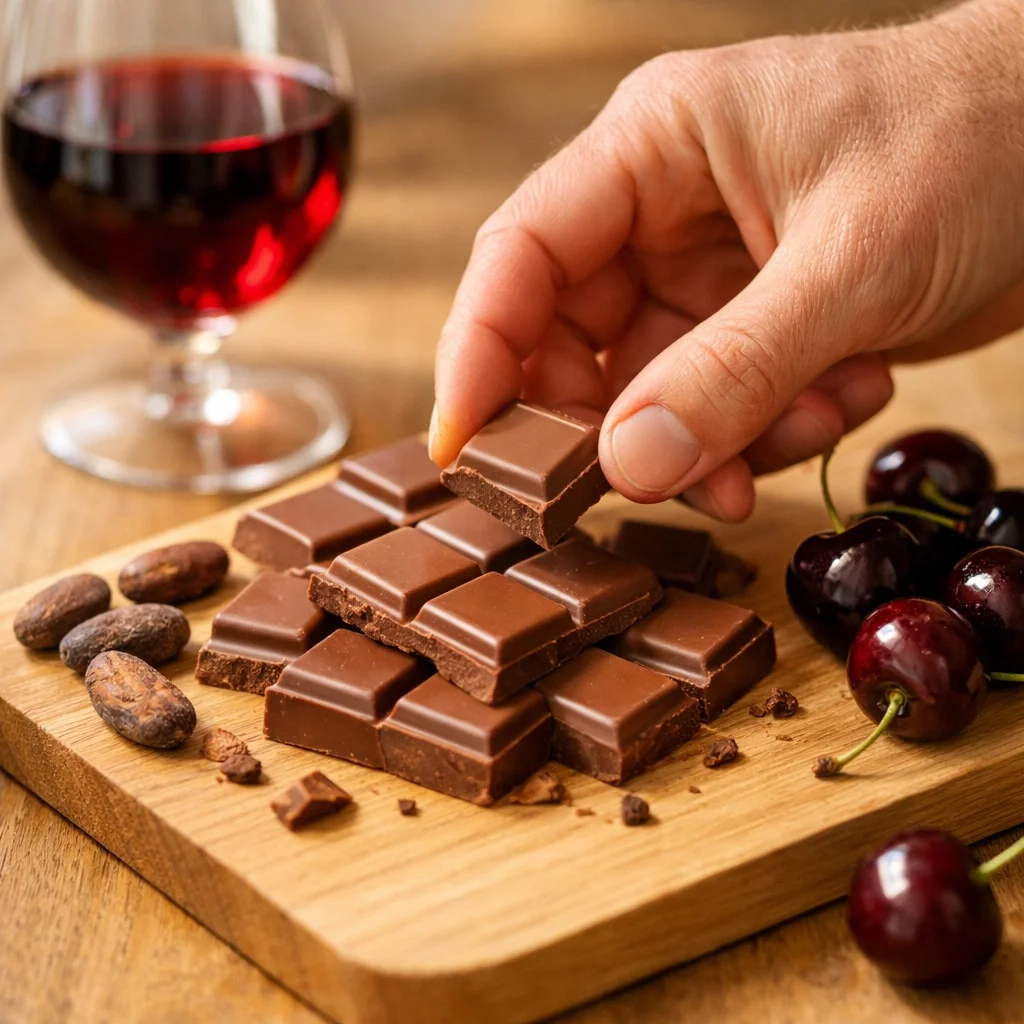
Modern milk chocolate is not candy. It is a complex medium. High-percentage milk bars (40-60% cacao) offer the richness of dark chocolate with a creamy finish.
The Red Spectrum
Pinot Noir: Light-bodied. Red cherry notes. Complements smooth milk chocolate.
Brachetto d’Acqui: A sweet, sparkling red from Italy. It tastes like raspberries. It is the ultimate milk chocolate companion.
Ruby Port: Spiced berries. Indulgent.
Educational Note
Match the intensity. Lighter chocolates require lighter wines. Heavy fortified wines need heavy creaminess.
Complexity In Every Bite:
Inclusions And Infusions
Beyond The Bean
Inclusions change the game. Salt, spice, and fruit add layers of flavor. They act as a bridge between the chocolate and the glass.
Salt And Savory
Sea Salt Chocolate: Pairs with Syrah. The salt softens the tannins. It brings out the dark fruit.
Salted Caramel: Pairs with Tawny Port. Nutty meets buttery.
The Heat Factor
Chili-Infused Chocolate: Pairs with Zinfandel. The jammy fruit of the wine tames the heat of the pepper.
Fruit And Floral
Raspberry Inclusions: Pair with a fruity Beaujolais.
Lavender or Earl Grey: Pair with an oaked Chardonnay. The floral notes find synergy with the vanilla notes from the wood.
Rosé:
The Versatile Player
Summer In A Glass
Rosé is often overlooked in pairings. This is a mistake. Its acidity and red fruit profile make it a bridge between white and red categories.
The Rosé Guide
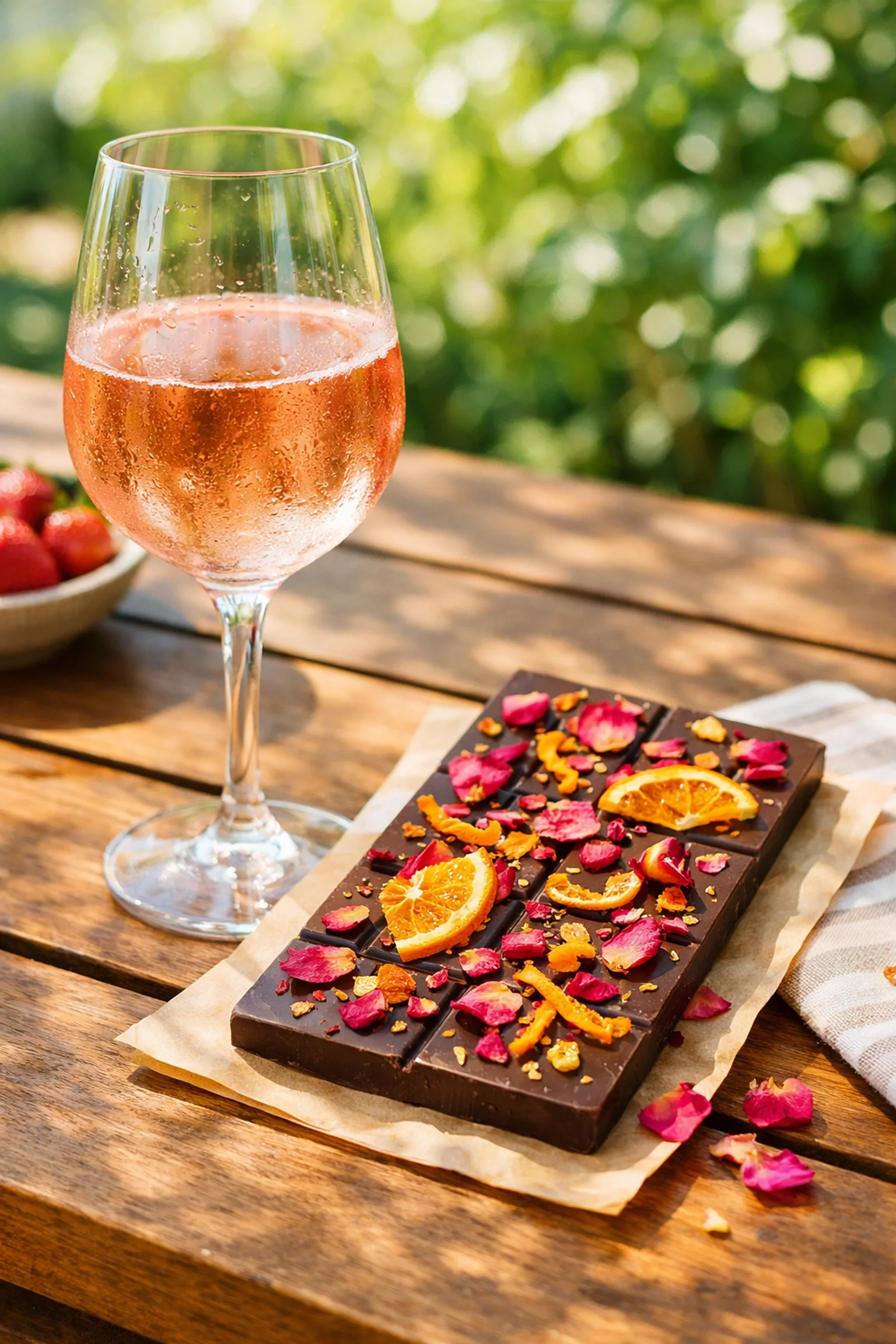
Dry Rosé: Pair with citrus-infused chocolate.
Sweet Rosé: Pair with white chocolate and dried berries.
Rosé Port: A heavier option. Excellent with rich, fudgy milk chocolate.
Hosting Your Wine And Chocolate Pairing Event
The Setup
Organization is key. You are the curator. You are the guide.
The Progression
Start Light: White chocolate and sparkling wines.
Move To Medium: Milk chocolate and light reds or rosés.
End Bold: Inclusions, dark chocolate, and fortified wines.
Essential Tools
Proper glassware.
Palate cleansers (Unsalted crackers, room-temperature water).
Tasting mats for notes.
Expert Advice
Encourage guests to smell both first. Take a small sip of wine. Take a bite of chocolate. Let it melt. Take another sip. Observe how the flavors evolve.
The Craft Chocolate Difference
Sourcing Matters
At the Midwest Craft Chocolate Festival, we connect you with the best makers. These artisans spend years perfecting their roast profiles. They understand the chemistry of the bean.
Support The Makers
Visit our Vendors Page to discover makers who will help elevate your pairing experiences. Each bite tells a story. Each purchase supports sustainable cacao farming.
Final Thoughts:
Trust Your Palate
Break the Rules
Pairing is subjective. There is no wrong answer if you enjoy the combination. Use these guidelines as a starting point. Then, explore.
Beyond Red And Dark
The world of flavor is vast. Open a bottle. Unwrap a bar. Start your journey today.
Join The Movement
Experience the world of cacao in person. Join us at the next festival.